D.J. stands for Disc Jockey, a DJs job is to mix between songs, que up songs for the shows, play the content throughout, being music and jingles. They also have talks/interviews in segments out the shows programme. Problems brought along with being a DJ is that it is very time consuming and expensive, it takes a lot of work and preparation.


Down to the new uses of technology, radios impact on streams have completely altered from the starting out.
Impact of Technology in Broadcasting:
CDs (compact discs) CDs were made in the 80s and started replacing vinyls and tapes down to their quality in sound, being the new turn in the hi-fidelity for electronics sound. CD players are also a lot cheaper than record players and tape players and also a lot easter to use, bringing better value in the long run.
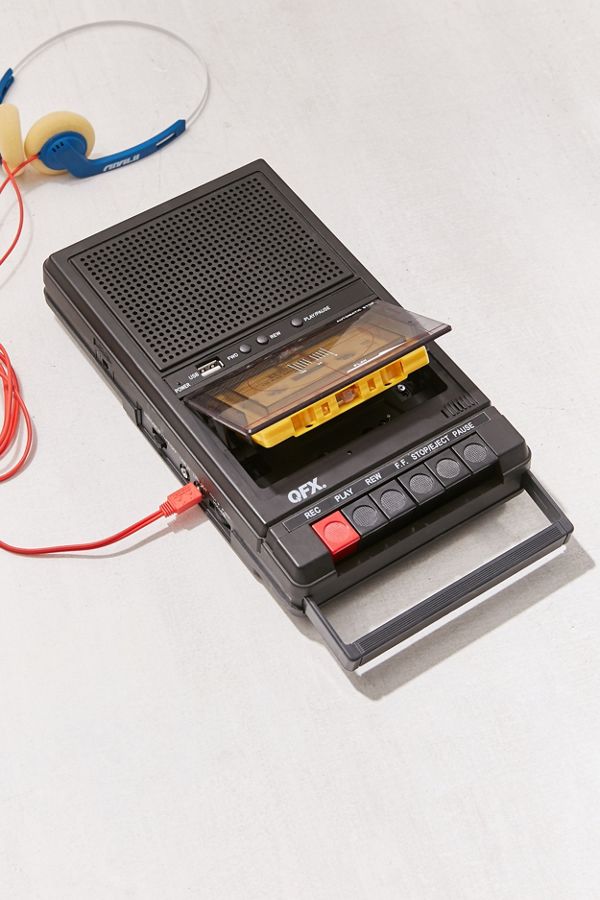
In terms of how radio has developed over years from new technology and electronics, radios will always have DJs (Disc Jockeys) these are the people that play the music for the listeners and control the sound through the shows/programmes while being broadcasted. DJs have a handful of jobs to do inside doing their actual job, such as arranging the setlist of the show, preparing the layout of the show and many more things, this made being a DJ in before the late 90s very hard and time consuming, ever since WAV files were created, this saves a lot of space, time and money for DJs during their shows, it also makes things more organised for DJs through being able to do the shows through a monitor and access everything simply through a screen and a mixing desk. Before this technology was invented, DJs had to do the shows using 8 Track tapes and Vinyls, these were physical copies of the music which took up a lot of space for DJs and also came with a heavy price tag, usually coming in at about £20 average for a record. If radio shows wanted to play advertisements when shows were recorded all the way through on tape, or cut parts out and add new parts in this was done by a technique called splicing, this is where someone would take the tape and cut it up and stick new parts in back together for the final show ready for broadcast.
Now in the 21st century the whole concept of live broadcasts and radio shows are ran completely different from when they started, everything being so much easier through the use of monitors for any sounds being used like talking, sfx and music, the way this is done is by using cartwall during the live shows.
A Microphone:

This is Lauren Laverne for BBC 6 Music, this microphone is used in studio for broadcasts as it is high quality audio as it needs a pre amp to run, they are also easy to move around as the stands can be stretched out and put in the perfect position. These mics have covers and protecters on them to stop sibilance and hard Ps during recording.
The Mixing Desk:

This is a mixing desk, usually found in recording studios and radio stations, this monitors any sound passing through and the producers/DJs will be in control of. This allows them to control the output gains when wanting to bring in microphones, music, sfx and jingles etc. This is also used to stop any clipping for the show, this means when the outputs are too loud and start to distort during the recording, this can't be undone when recorded.
Monitors:
These are very useful and commonly found in studios as they can measure the sounds coming in mono and stereo, this means they can perfectly balance out the input levels to the output levels for the cleanest sound quality. They are also used to measure the whole sound together, for example; the level of the jingle playing after the level of the talking, or how loud the background music is when the producers are talking.
A Digital Cartwall:
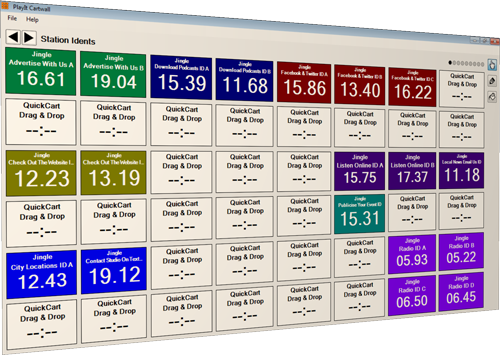
A digital cartwall is used by DJs during the shows and pre recordings, this is used to play jingles, advertisements and sfx. This being digital is useful for a DJ as he will have all his sounds ready to go in just a click, this also saves a lot of space and time.
A Play Server:
This is a type of software used by DJs, this is used to show the presenter and DJ what song is being played, what songs have just played and also what is up next, this is used and also helpful as it will keep the show running smoothly throughout. This also shows the duration of the songs so that they can see how long they have left until they have the next job to do, either being talking, playing a jingle or even going on to the next song. This is also used to store all the music the DJs could need, so that if a song is requested this is where they would look.


