BBC 6 Music - Gold Soundz
Purpose and schedule: The purpose of this programme is to entertain and promote the listeners, this is done by playing fast paced up beat music to entertain the listeners while also promoting the bands/artists they are playing. On this show they play an hour of 6 Music's greatest his while also giving the listeners a chance to request a song. For example one show played a full hour of 90s Indie Rock/Dance, this show was to set the listeners for their afternoon by playing the older listeners music from their past, subtle nostalgia to remind them of their earlier days, this also keeps them listening as they're interested in what will be played next while also being entertained. Another example of this programme being entertaining is by having a talk show where the host reads tweets from the listeners, this is done by the audience tagging the stations handle @BBC6MUSIC, this is entertaining for the listeners as they can hear what other people are getting up to or even have a chance of asking the host a question or their tweet being said on the station if they join in by tweeting to the host.
Income: 6 Music don't use advertisements as they only recently became commercial, they are ran by the BBC as a more underground station with a 'cutting edge' through being based around indie guitar. BBC 6 Music host a festival that bring in an income under 6 Music Festival where a lot of bands that have been on the show play the festival while also having an introducing stage for the up and coming bands/artists. As 6 Music is ran by the BBC they also have an income from this, BBC decided to run 6 Music as an alternative genre, lowkey station and then the station was loved by by many and took off ever since.
Content and production techniques: Some of the things that are featured on the show are things such as; jingles, this connotes that the station wants to be recognised for their show and they want the listeners to know what station they are tuned into as they take pride in their show. Gold Soundz is an hour long set that also play music, this music is some of 6 Music's greatest hits, this connotes their station has had so many hits and listeners that enjoy the songs that they had to make a programme just for the greatest hits as they still want to hear the songs. The programme also run a quick news segment with key facts on what is happening in the world at that moment in time, this is connotes that the show want to bring in more listeners as some people gain their information of news from radio stations, this was 6 Music perfect opportunity to gain more listeners. Another thing the host Shaun Keaveny does is take requests from listeners and also read tweets from people that are tuned in, this is done by listeners tweeting the station @BBC6MUSIC which also allows the host to be interactive with the fans. Another this that Gold Soundz feature is dialogue from the host, Shaun Keaveny, the host speaks in a few segments of the show for a couple of minutes between songs, this connotes the show want to keep the listeners interested, rather than playing music for an hour straight the host gives the listeners a break in between songs to take them in, this also keeps the listeners entertained as they get to hear the host talk to them directly.
Staff and resources: The host and producer of the show 'Gold Soundz' is Shaun Keaveny. Shaun Keaveny fits the personalty of a presenter as he has a laidback attitude and is also really friendly with the audience, he likes to have a few jokes throughout the programme to entertain the listeners and is also 47 years of age so he can speak for the older adults and connect with them on the same level. This appeals to the audience as they can relax while they listen to the show, they connect with Shaun as he is older and they also feel comfortable with his attitude towards the programme, he isn't too loud or rude/cocky like some other hosts, he likes to let the audience enjoy spending their time tuned into the programme. Three pieces of hardware the presenter will need to help them broadcast the show are a microphone, headphones and a computer. A Microphone is used so that the presenters voice can be heard by the listeners and also be recorded back for the programme to be uploaded on to the website for later catch up, headphones are used so that the host can hear the songs during the live recording and he will know when to come in and cut out in time to keep the show running smoothly. A computer is used to receive the tweets from listeners so he knows what requests have been sent in and also to be interactive with the audience.
Wednesday, 6 May 2020

Thursday, 12 March 2020
LO4: Evidence of setting up equipment and recording (P5)


At this point schools and colleges shut because of the coronavirus outbreak, so here is an image of how I carried on my recording from home with a very basic and simple set up I use while in bed.

LO4: Evaluating content, audio levels and flow of the final production (D2)
There were many parts I took out of the station, I restarted the whole recording from scratch 4 times in total. I struggled in many ways to keep the sibilance to a minimum and have still struggled in the final recording, the same with the P's. This was cause by not having access to a pop filter cover which is placed between me and the mic, unfortunately this left me with high/sharp S's and hard P's. However I made it work with the equipment I had at home, being a cheap mic that cost me £10 and an interface.
For my interview I had to record the audio over a phone call due to the coronavirus limitations of contact, this meant I couldn't get over to my friend Yusuf Yellow's house to record the interview with a mic. However, it could have been worse and I could have had nothing, I decided to keep the interview in as it is still content for my show and it fits the purpose of the station as it is helping promote up and coming Sheffield artists and that is what I am doing. This also fits the purpose of my station down to my research when planning as BBC Introducing have artists play a few songs for them and then give a short interview during their time on the show. It also appeals to my audience as they are getting to know the artist and what he gets up to while being an up and coming artist in and around Sheffield, they will hear what the music industry is like and also what it is like being a musician so locally to them.
The jingle I used for my radio show was simple and laid back, made of two guitar parts I made and a vocal I recorded into my audio interface with lots of reverb and delay to give it a dreamy effect. The vocals over the top of the guitar the say "Sheffields Underground Sounds, bringing you the finest new music, 93.2" which is the name of the show and frequency of the station. This jingle appeals to my audience as it hits with a slow and sloppy guitar part and some lazy vocals, it relates to the music being plaid as the songs are all bedroom pop, lo-fi and chill-hop related. These genres are usually sleepy and chilled out easy listens, I took this inspiration when making my jingle and planned out the best way for my jingle to appeal to my audience/listeners would be to write a guitar part that would sound like a song that could be played on the show and recored some lazy vocals over the top which sat perfectly in the show as it relates to the genre of the songs being played.
My advert was recorded by my friend Mia, the vocals were recorded on her phone due to coronavirus. The advert was an advertisement for a local record shop in Sheffield called Spinning Discs which is a small independent business located in Meersbrook, I decided to use the record shop as my advertisement as I have a good relationship with the staff and the shop so I decided to advertise them in my radio show as they have helped me a lot so I felt it was my turn to return the favour. The advertisement appeals to my audience as the listeners are based in Sheffield and the record shop will be local for them, the advertisement will also appeal to them if they are interested in collecting vinyl. Being a local radio station for Sheffield music lovers really gave me a lot of choice for advertisements but I felt Spinning Discs was the best decision as it relates to my show as I am helping promote up and coming Sheffield artists. When the listeners hear the shop is located in Sheffield they will instantly be locked into listening to the advertisement making them want to hear more about the place.
The competition for my radio show was a chance to win tickets to a gig of the winners choice in Sheffield, the competition was won by texting in the answer to a question about Arctic Monkeys that were a band that were from Sheffield. The competition was explained clearly on the station so that the listeners knew exactly what they were signing up to and it was also free to enter, this competition appeals to my audience as they are local Sheffield music lovers, meaning they will be interested in having the chance to see a gig of their choice happening where they are. It also relates to my show and my research/planning as other radio stations also have competitions with music related content to be won. For example many radio stations have the chance to win tickets to Glastonbury through different ways, such as BBC 6 Music that did this told listeners upload a photo of them and tag the station in the post to be entered, which also brought the station more advertisement and promotion as everyone will want the chance to win while also bringing the station more listeners.
I am happy with how the songs I used inside show worked with the chosen genre, not just being up and coming Sheffield artists but also Lo-Fi, Chill-Hop and Bedroom Pop related songs. They sat perfectly with my laidback presentation as a host during the watershed, the show came across as very laid back with my tired and worn out voice, not being overly enthusiastic but being very chilled out just like the songs chosen. This appeals to my audience as the show starts at 21:00 and the listeners will be winding down after a long day at work and some just relaxing after putting the kids to bed, they will feel connected with the show rather than me shouting and playing rock music, they get to hear a very relaxed host playing chilled out music for them before they go to sleep.

Here is some feedback I gained from my teacher towards my final edit of Sheffield's Underground Sounds, I used this feedback to improve my final production of the show. Adding a number, the shows handle and music to the advert by recording a small piece of guitar into the recording of the show. Adding the music to the radio advert is also following the conventions of a radio show as most adverts on radio either have a small jingle in the back or some sort of music playing in the background, this also relates to the show as it is a music show, keeping the flow throughout.
I am happy with how the radio turned out with limited access to recording equipment, however; I would be happier if the audio was clearer. The mic I used was very cheap and I had no filter which could stop the subtle wind in the P's and the high volume in the S's, but it did the job. I had to work with what I had and added a few EQ settings on some of the audio to take out the heavy bass parts in places and some of the highs in others, this helped make the show sound as professional as possible
For my interview I had to record the audio over a phone call due to the coronavirus limitations of contact, this meant I couldn't get over to my friend Yusuf Yellow's house to record the interview with a mic. However, it could have been worse and I could have had nothing, I decided to keep the interview in as it is still content for my show and it fits the purpose of the station as it is helping promote up and coming Sheffield artists and that is what I am doing. This also fits the purpose of my station down to my research when planning as BBC Introducing have artists play a few songs for them and then give a short interview during their time on the show. It also appeals to my audience as they are getting to know the artist and what he gets up to while being an up and coming artist in and around Sheffield, they will hear what the music industry is like and also what it is like being a musician so locally to them.
The jingle I used for my radio show was simple and laid back, made of two guitar parts I made and a vocal I recorded into my audio interface with lots of reverb and delay to give it a dreamy effect. The vocals over the top of the guitar the say "Sheffields Underground Sounds, bringing you the finest new music, 93.2" which is the name of the show and frequency of the station. This jingle appeals to my audience as it hits with a slow and sloppy guitar part and some lazy vocals, it relates to the music being plaid as the songs are all bedroom pop, lo-fi and chill-hop related. These genres are usually sleepy and chilled out easy listens, I took this inspiration when making my jingle and planned out the best way for my jingle to appeal to my audience/listeners would be to write a guitar part that would sound like a song that could be played on the show and recored some lazy vocals over the top which sat perfectly in the show as it relates to the genre of the songs being played.
My advert was recorded by my friend Mia, the vocals were recorded on her phone due to coronavirus. The advert was an advertisement for a local record shop in Sheffield called Spinning Discs which is a small independent business located in Meersbrook, I decided to use the record shop as my advertisement as I have a good relationship with the staff and the shop so I decided to advertise them in my radio show as they have helped me a lot so I felt it was my turn to return the favour. The advertisement appeals to my audience as the listeners are based in Sheffield and the record shop will be local for them, the advertisement will also appeal to them if they are interested in collecting vinyl. Being a local radio station for Sheffield music lovers really gave me a lot of choice for advertisements but I felt Spinning Discs was the best decision as it relates to my show as I am helping promote up and coming Sheffield artists. When the listeners hear the shop is located in Sheffield they will instantly be locked into listening to the advertisement making them want to hear more about the place.
The competition for my radio show was a chance to win tickets to a gig of the winners choice in Sheffield, the competition was won by texting in the answer to a question about Arctic Monkeys that were a band that were from Sheffield. The competition was explained clearly on the station so that the listeners knew exactly what they were signing up to and it was also free to enter, this competition appeals to my audience as they are local Sheffield music lovers, meaning they will be interested in having the chance to see a gig of their choice happening where they are. It also relates to my show and my research/planning as other radio stations also have competitions with music related content to be won. For example many radio stations have the chance to win tickets to Glastonbury through different ways, such as BBC 6 Music that did this told listeners upload a photo of them and tag the station in the post to be entered, which also brought the station more advertisement and promotion as everyone will want the chance to win while also bringing the station more listeners.
I am happy with how the songs I used inside show worked with the chosen genre, not just being up and coming Sheffield artists but also Lo-Fi, Chill-Hop and Bedroom Pop related songs. They sat perfectly with my laidback presentation as a host during the watershed, the show came across as very laid back with my tired and worn out voice, not being overly enthusiastic but being very chilled out just like the songs chosen. This appeals to my audience as the show starts at 21:00 and the listeners will be winding down after a long day at work and some just relaxing after putting the kids to bed, they will feel connected with the show rather than me shouting and playing rock music, they get to hear a very relaxed host playing chilled out music for them before they go to sleep.

Here is some feedback I gained from my teacher towards my final edit of Sheffield's Underground Sounds, I used this feedback to improve my final production of the show. Adding a number, the shows handle and music to the advert by recording a small piece of guitar into the recording of the show. Adding the music to the radio advert is also following the conventions of a radio show as most adverts on radio either have a small jingle in the back or some sort of music playing in the background, this also relates to the show as it is a music show, keeping the flow throughout.
I am happy with how the radio turned out with limited access to recording equipment, however; I would be happier if the audio was clearer. The mic I used was very cheap and I had no filter which could stop the subtle wind in the P's and the high volume in the S's, but it did the job. I had to work with what I had and added a few EQ settings on some of the audio to take out the heavy bass parts in places and some of the highs in others, this helped make the show sound as professional as possible
LO4: Be able to record, edit and review sound elements (P5/D2)
Audio Levels
All of the audio inside of the radio show is mono audio, this means that the sound will come out of both speakers. This could mean earphones, headphones, speakers or even phone speakers, where as stereo only sends the audio to one of these, either the left or right.

Here is how I controlled the audio levels for each of my channels, this meant I could bring in all of my sounds together as one. All of the sounds should work together as one, nothing louder than the other and nothing too quiet, apart from the background track. If any audio was too loud it would create a distorted noise meaning that the audio was clipping.
Audio Effects


This effect was used on my jingle to create a bigger sound, leaving the guitar to sound like it was being played in a garage and it is still reverberating after the sound had finished. The delay was also used to create a dreamy sound which kept repeating itself inside the sound. This fits the conventions of a radio show as they use delays and reverbs in their own jingles, BBC 6 Music is are well known for doing this.

This part of the audio is the intro, greeting the listeners by letting them know they are tuned into Sheffield's Underground Sounds. I have brought up the levels of the audio by 8 D.B so that it is not only clearer but louder so that it is a comfortable listen for fans tuned in. I have also added some EQ to the vocals adding more mid range, taking out a tiny bit of bass and keeping the highs where they are, this makes the audio a lot clearer as if it was a professional radio station.
 This next part is where Jackie Moonbathers song 'Parallel ' plays, I haven't had to add any effects to the song I have only had to turn it down a bit almost as if I was mastering the show already, this just means that the listener doesn't have to turn down the show as the song is louder than the speaking before, it makes it all one volume which also makes the show more professional.
Here is a screenshot of Jackie Moonbathers song Parallel, here I am shortening the duration of the song so that I am not playing the whole song as it is a short radio station, this allows me to cut down the part of the song I want the listeners to hear on the station and also saves a lot of time as it has been cut down.

This is where I have cut down the song and below I have added fades in and out of the backing music playing throughout. This allows the stations sound to run smoothly rather than instant cuts in and out of songs. I have also added a fade to the actual song so that it doesn't hit with instant sound, it fades into the song making it a lot easier to listen to and also more comfortable throughout the show rather than making the listeners jump through volume levels.
 Here I am collecting all the audio and pulling it back into place from where the previous audio finishes, I am doing this so that it all runs smoothly for the listener and doesn't have a 10 second time gap between the audios. This shows I am following the conventions of a real radio station as their broadcasts run smoothly start to end, with no time gaps and keeping the flow start to end.

Here I am adding the background music and repeating it the until the audio of the the host (me) finishes, I am also editing the tack with fades in and out when songs are about to be played so that two songs aren't playing at one moment, this also shows I am following the conventions of a radio station as they have fades in and out of the backing music when songs are about to be played and then fades back in once the song is finished.
 This is a segment of the show where the station makes a call to a Sheffield artist, I applied an EQ Eight and then had the effect turned on when the artist spoke as we recorded it together in a room, doing this makes the artists voice sound like I have actually rang him over the phone as it has a crispy, muted and dry effect.

 The jingle I have created is a short guitar part I wrote then I recorded it into my Focusrite 2i2 interface which recorded it straight into my software Ableton Live. I then recorded another lead guitar over the other piece and used reverb and delay on the both of them so it gave it a really fat dreamy sound which fits perfectly with my radio station as the show is very laidback as it is broadcasted at 21:00. Once I had mixed the levels and sounds of the guitar parts I then went onto record some simple vocals over the top it, I say "Sheffields Underground Sounds, bringing you the finest new music, 93.2." I added EQ Three to the vocals with a midnight effect, giving it a crunchy and dreamy sound effect, I am happy with how the jingle came out because it has an all round laidback yet significant sound as it stands out from the show and listeners will instantly understand it is a jingle. This shows I am following the conventions of a radio station as I am stating the name of the station so that listeners know what station they are tuned into, for example BBC 6 Music have heavy hitting jingles and then state the name of the station.
The difficulties I had overall during the editing and recording of my radio show were never ending, for example the levels of the audio throughout was very difficult to keep the same from start to end as I recorded my show in a few sittings, the volumes were always different and the quality always changed. however, I managed to make the show sound as live as possible using levels and EQs on each individual audio recording to have it run smoothly and sound like it had been recording in one sitting. I also struggled with the EQ Eight I added to the phone interview, it made the tone of the recording sound extremity tinny and brought the highs up to a point they started clipping which meant the audio started to distort, overcame this issue by lowering the gain and adding slightly more mid-range to the audio which left me with a smoother running telephone interview. The final problem i had while recording my radio show was offline samples, this means that some of the clips had gone missing from the Ableton project and this happened many times throughout the editing stage, I overcame this by either re-recording the show or looking through the recorded samples in the project file, they were sometimes there but if not then I had to re-record
All of the audio inside of the radio show is mono audio, this means that the sound will come out of both speakers. This could mean earphones, headphones, speakers or even phone speakers, where as stereo only sends the audio to one of these, either the left or right.

Here is how I controlled the audio levels for each of my channels, this meant I could bring in all of my sounds together as one. All of the sounds should work together as one, nothing louder than the other and nothing too quiet, apart from the background track. If any audio was too loud it would create a distorted noise meaning that the audio was clipping.
Audio Effects


This effect was used on my jingle to create a bigger sound, leaving the guitar to sound like it was being played in a garage and it is still reverberating after the sound had finished. The delay was also used to create a dreamy sound which kept repeating itself inside the sound. This fits the conventions of a radio show as they use delays and reverbs in their own jingles, BBC 6 Music is are well known for doing this.
This part of the audio is the intro, greeting the listeners by letting them know they are tuned into Sheffield's Underground Sounds. I have brought up the levels of the audio by 8 D.B so that it is not only clearer but louder so that it is a comfortable listen for fans tuned in. I have also added some EQ to the vocals adding more mid range, taking out a tiny bit of bass and keeping the highs where they are, this makes the audio a lot clearer as if it was a professional radio station.
 This next part is where Jackie Moonbathers song 'Parallel ' plays, I haven't had to add any effects to the song I have only had to turn it down a bit almost as if I was mastering the show already, this just means that the listener doesn't have to turn down the show as the song is louder than the speaking before, it makes it all one volume which also makes the show more professional.
Here is a screenshot of Jackie Moonbathers song Parallel, here I am shortening the duration of the song so that I am not playing the whole song as it is a short radio station, this allows me to cut down the part of the song I want the listeners to hear on the station and also saves a lot of time as it has been cut down.

This is where I have cut down the song and below I have added fades in and out of the backing music playing throughout. This allows the stations sound to run smoothly rather than instant cuts in and out of songs. I have also added a fade to the actual song so that it doesn't hit with instant sound, it fades into the song making it a lot easier to listen to and also more comfortable throughout the show rather than making the listeners jump through volume levels.
 Here I am collecting all the audio and pulling it back into place from where the previous audio finishes, I am doing this so that it all runs smoothly for the listener and doesn't have a 10 second time gap between the audios. This shows I am following the conventions of a real radio station as their broadcasts run smoothly start to end, with no time gaps and keeping the flow start to end.
Here I am adding the background music and repeating it the until the audio of the the host (me) finishes, I am also editing the tack with fades in and out when songs are about to be played so that two songs aren't playing at one moment, this also shows I am following the conventions of a radio station as they have fades in and out of the backing music when songs are about to be played and then fades back in once the song is finished.


 The jingle I have created is a short guitar part I wrote then I recorded it into my Focusrite 2i2 interface which recorded it straight into my software Ableton Live. I then recorded another lead guitar over the other piece and used reverb and delay on the both of them so it gave it a really fat dreamy sound which fits perfectly with my radio station as the show is very laidback as it is broadcasted at 21:00. Once I had mixed the levels and sounds of the guitar parts I then went onto record some simple vocals over the top it, I say "Sheffields Underground Sounds, bringing you the finest new music, 93.2." I added EQ Three to the vocals with a midnight effect, giving it a crunchy and dreamy sound effect, I am happy with how the jingle came out because it has an all round laidback yet significant sound as it stands out from the show and listeners will instantly understand it is a jingle. This shows I am following the conventions of a radio station as I am stating the name of the station so that listeners know what station they are tuned into, for example BBC 6 Music have heavy hitting jingles and then state the name of the station.
The difficulties I had overall during the editing and recording of my radio show were never ending, for example the levels of the audio throughout was very difficult to keep the same from start to end as I recorded my show in a few sittings, the volumes were always different and the quality always changed. however, I managed to make the show sound as live as possible using levels and EQs on each individual audio recording to have it run smoothly and sound like it had been recording in one sitting. I also struggled with the EQ Eight I added to the phone interview, it made the tone of the recording sound extremity tinny and brought the highs up to a point they started clipping which meant the audio started to distort, overcame this issue by lowering the gain and adding slightly more mid-range to the audio which left me with a smoother running telephone interview. The final problem i had while recording my radio show was offline samples, this means that some of the clips had gone missing from the Ableton project and this happened many times throughout the editing stage, I overcame this by either re-recording the show or looking through the recorded samples in the project file, they were sometimes there but if not then I had to re-record

LO3: Justifying codes and conventions (D1)
My radio station is a Sheffield made station playing all the up and coming Sheffield artists and advertising a local Sheffield record shop. My radio station will meet the codes and conventions because we will be playing music, have a new segment and also an interview, these are the main conventions of a radio show that I have researched during my planning. This is an attraction to my audience as they will be Sheffield music lovers wanting to discover more about the youth music and up and coming artists.
I will be using the jingle I made a few times throughout the show so that the listeners know what station they are tuned into, but also making the show recognisable for its distinctive sound. Sheffield's Underground Sounds will be broadcasted from 9-10pm which is the time when the unknown artists get their music played and because the music being played is very laidback I can connect with the audience as they will be tired after. a long day of being busy. Jingles are a main convention of a radio station because it is branding, every radio station has their own jingle as it is what makes them different yet recognisable through a distinctive sound, I will play the jingle roughly 3/4 times throughout the show as the show is no longer than 10 minutes long, this will subtly remind the listener what they station they are tuned into.
I think the news section of my radio fits the conventions because I am giving live news on COVID-19, this keeps the listeners on there feet as well as being relaxed, this will keep them listening as we are going through a pandemic and the audience will constantly want updates on the situation. I am also giving the audience an update from a reliable source which means they aren't receiving any false information, I am also following the conventions of a radio station as many listeners tune into the radio just to hear news updates, this is also bringing the station more listeners so we have to keep them updated on what they want to hear,
Sheffield's Underground Sounds is both teacher to pupil and peer to peer as I spend most of the time speaking to the audience alone but I then call an artist to have a small conversation about himself and his music. The station is aimed at teenagers (16+) and adults of Sheffield, as the show is a local station and also being broadcasted after the watershed when most kids are in bed, it is aimed at these people as I speak in a very laidback chilled out tone, this is for the listeners that have had a long day and can connect with the station rather than having a room full of hosts and a large heated discussion which could lose the listeners attention as they aren't looking for anything too educational, more entertaining. This is conventional as some shows only have one host past 21:00 with more laidback vibes.
 As I am working on this project alone I have not added names to each task as I will be completing everything myself so I know what needs to be done and it is my responsibility in doing so.
Tuesday, 10 March 2020
L03: Legal and Ethical
Copyright and Data Protection
Ofcom Broadcast Rules:
 While planning and creating my show I had to gain permission from the artist that owned the songs I wanted to use, doing this stopped any claims being put in on the show due to copyright. I asked my friend via text if I was allowed to use their content so that he knew exactly what his music was being used for. A PRS license for the show was important so that the artist Yusuf Yellow and Jackie Moonbather got paid for their music being featured on the show so that I didn't claim all money made and they got their share for the time put into their creations.
Section 1: Protecting the under-eighteens.
We are broadcasting the show after the watershed, the show will be streaming at 21:00 so that we don't have to censor any swearing from the artists or songs. If the show was broadcasted before the watershed we would get many complaints down to parents being with their kids while listening to the show as it isn't family friendly and could be offensive to others. As we are having artists come into the studio for interviews and live events we have chosen to broadcast after the watershed just so that the content isn't offensive and inappropriate down to the time it is being broadcasted for listeners.
Section 2: Harm and offence.
During the broadcast, Sheffield's Underground Sounds will have a competition to win tickets to a gig of the artist being interviewed on that show, being Yusuf Yellow. We must make sure that we clearly state what they are entering and doing so will make sure that no one can be misled into something they didn't ask to be part of. We must also make sure that there is no offensive commentary towards anyone. this would be slander and also make sure the artists aren't racist or rude towards anyone as this could cause major upset and even bring trouble to the station.
Section 3: Religon.
As Sheffield's Underground Sounds is being broadcasted to the local community, this means a range of ethnicities and backgrounds will be tuned into the show. This means we should make sure no inappropriate continent is released that could be racist or anything that could be taken the wrong by listeners, also warning the artists what not to say during the show.
Section 4: Due impartially and due accuracy.
During the show we have an advertisement from Spinning Discs, a Sheffield record shop based in Meersbrook. While broadcasting this advertisement we have to make sure that all the location details are correct so that we don't mislead the listeners to the wrong location. If this was the case then we could bring the show a lot of stress through complaints from frustrated listeners. We also have a short segment on the show where there is a competition, while broadcasting this small competition we need to make it clear so that the listeners entering know exactly what they are entering for and that they don't get misled in the process.
Section 5: Fairness
During the broadcast of 'Sheffield's Underground Sounds' for example, we have two similar parts in the show, one being an interview and the other being a live in studio interview. During both of these, the host of the show should keep the same attitude with both of the other people, not being any different with one over the other so that we keep the same respect to people as we do with everyone.
Section 6: Privacy
In the interview with Yusuf Yellow we ask questions about where he grew up, while streaming this we need to make sure that he doesn't release too much personal information about himself that could put him in danger as his privacy is tied in with the Data Protection Act.
Section 7: Commercial references on TV
While broadcasting our advert from Spinnin Discs, we need to make sure that the advert are suitable through Ofcom regulations, we also cant make the advert seem like part of a song so we need to clearly state when the advertisement is due.
Section 8: Commercial communications on the radio
On the same subject of the advertisements clearly needing to be stated that they are coming up so they don't sound like part of the song, we have to make sure that no commercial references are stated during the show so that we aren't fishing for money from listeners, this includes anything that involves a payment.
Ofcom Broadcast Rules:
 While planning and creating my show I had to gain permission from the artist that owned the songs I wanted to use, doing this stopped any claims being put in on the show due to copyright. I asked my friend via text if I was allowed to use their content so that he knew exactly what his music was being used for. A PRS license for the show was important so that the artist Yusuf Yellow and Jackie Moonbather got paid for their music being featured on the show so that I didn't claim all money made and they got their share for the time put into their creations.
Section 1: Protecting the under-eighteens.
We are broadcasting the show after the watershed, the show will be streaming at 21:00 so that we don't have to censor any swearing from the artists or songs. If the show was broadcasted before the watershed we would get many complaints down to parents being with their kids while listening to the show as it isn't family friendly and could be offensive to others. As we are having artists come into the studio for interviews and live events we have chosen to broadcast after the watershed just so that the content isn't offensive and inappropriate down to the time it is being broadcasted for listeners.
Section 2: Harm and offence.
During the broadcast, Sheffield's Underground Sounds will have a competition to win tickets to a gig of the artist being interviewed on that show, being Yusuf Yellow. We must make sure that we clearly state what they are entering and doing so will make sure that no one can be misled into something they didn't ask to be part of. We must also make sure that there is no offensive commentary towards anyone. this would be slander and also make sure the artists aren't racist or rude towards anyone as this could cause major upset and even bring trouble to the station.
Section 3: Religon.
As Sheffield's Underground Sounds is being broadcasted to the local community, this means a range of ethnicities and backgrounds will be tuned into the show. This means we should make sure no inappropriate continent is released that could be racist or anything that could be taken the wrong by listeners, also warning the artists what not to say during the show.
Section 4: Due impartially and due accuracy.
During the show we have an advertisement from Spinning Discs, a Sheffield record shop based in Meersbrook. While broadcasting this advertisement we have to make sure that all the location details are correct so that we don't mislead the listeners to the wrong location. If this was the case then we could bring the show a lot of stress through complaints from frustrated listeners. We also have a short segment on the show where there is a competition, while broadcasting this small competition we need to make it clear so that the listeners entering know exactly what they are entering for and that they don't get misled in the process.
Section 5: Fairness
During the broadcast of 'Sheffield's Underground Sounds' for example, we have two similar parts in the show, one being an interview and the other being a live in studio interview. During both of these, the host of the show should keep the same attitude with both of the other people, not being any different with one over the other so that we keep the same respect to people as we do with everyone.
Section 6: Privacy
In the interview with Yusuf Yellow we ask questions about where he grew up, while streaming this we need to make sure that he doesn't release too much personal information about himself that could put him in danger as his privacy is tied in with the Data Protection Act.
Section 7: Commercial references on TV
While broadcasting our advert from Spinnin Discs, we need to make sure that the advert are suitable through Ofcom regulations, we also cant make the advert seem like part of a song so we need to clearly state when the advertisement is due.
Section 8: Commercial communications on the radio
On the same subject of the advertisements clearly needing to be stated that they are coming up so they don't sound like part of the song, we have to make sure that no commercial references are stated during the show so that we aren't fishing for money from listeners, this includes anything that involves a payment.
L03: Treatment
Planning Ideas: Treatment
Title of the show: Sheffield's Underground Sounds
Type of programme: Playing new up and coming music and having interviews with young Sheffield artists
Proposed content:
Title of the show: Sheffield's Underground Sounds
Type of programme: Playing new up and coming music and having interviews with young Sheffield artists
Proposed content:
- Advert: Spinning Dics record shop, this keeps it local and still related to music
- Music will be new post punk, jazz and hip-hop, I have chosen this music as I can play it copyright free down to it being my friends music so it will be easy to grant permission.
- Call in from fan/listener to speak to the artist we have in the studio at that moment in time
Running Order:

Scheduling:
This show will be placed at 21:00 as this gives the artists freedom to say what they want and exactly how they feel without having to worry about cutting swearing out. It also makes it easier to play the music as some of the content may have swearing in it.
This show will be placed at 21:00 as this gives the artists freedom to say what they want and exactly how they feel without having to worry about cutting swearing out. It also makes it easier to play the music as some of the content may have swearing in it.
Launch Date:
Thursday 30th April 2020
Thursday 30th April 2020
Target Audience:
The target audience of this radio show is both male and female aged 16+ that are heavily into music, this is the target audience as the youths and older music lovers usually want to hear new sounds and new up and coming bands, meaning they will want to tune into the show to hear these new sounds. the lifestyle for the younger people being something creative in college while the older audience can be working, spending their lives working but coming home to listen to music or make it and dress in funky clothes different to the usual tracksuits and puffer jackets, being cuffed baggy jeans, big shirts and patterned tops etc.
The target audience of this radio show is both male and female aged 16+ that are heavily into music, this is the target audience as the youths and older music lovers usually want to hear new sounds and new up and coming bands, meaning they will want to tune into the show to hear these new sounds. the lifestyle for the younger people being something creative in college while the older audience can be working, spending their lives working but coming home to listen to music or make it and dress in funky clothes different to the usual tracksuits and puffer jackets, being cuffed baggy jeans, big shirts and patterned tops etc.
Key Personnel:
My radio show will only be hosted by me, this is due to coronavirus and not being able to get a recording with decent enough quality. I will be making the jingle, editing and recording etc. The show is being ran by one person as it will be broadcasted at 21:00, rather than having two hosts that are chatting away, the listeners will want a laidback host that allows them to sit back and relax.
My radio show will only be hosted by me, this is due to coronavirus and not being able to get a recording with decent enough quality. I will be making the jingle, editing and recording etc. The show is being ran by one person as it will be broadcasted at 21:00, rather than having two hosts that are chatting away, the listeners will want a laidback host that allows them to sit back and relax.
Health and safety:
While recording I need to make sure that all the wires are routed and out of sight so that I don't damage any equipment or trip up over them while trying to record, it is also important that I don't have any liquids around the equipment as if they were to spill over the equipment it could cause serious damage or set on fire.
While recording I need to make sure that all the wires are routed and out of sight so that I don't damage any equipment or trip up over them while trying to record, it is also important that I don't have any liquids around the equipment as if they were to spill over the equipment it could cause serious damage or set on fire.
Audio assets:
Jingle - This fits the genre of the show as it is a dreamy laidback jingle which also helps the chilled out mood of the show being a 21:00 broadcast, this brings comfort to the listeners instead of using a hard hitting/heavy fast paced jingle. The jingle is relevant to Sheffield as I will vocalise "Sheffield's Underground Sounds, bringing you the finest new music" which shows I am representing Sheffields underground music scene for being the finest new music.
Parallel - Jackie Moonbather -
Growth of The Flower - Yusuf Yellow -
Shadows x Void - Otis Mensah -
Better Off Alone - Yusuf Yellow -
Cold Nights - Yusuf Yellow & Jackie Moonbather - These are the songs I will be using on the radio show, these fit the genre of the show though not only being songs from the underground artists of Sheffield but also being laidback, relaxed and chilled out Lo-Fi, Chill Hop and Bedroom Pop songs, I want to create a moody late night atmosphere and these songs will capture that best. These songs are relevant to both the target audience and Sheffield as they were songs made by artists from Sheffield, this allows the listeners to form a connection with these songs as they are local to them.
New Report SFX - This will fit the genre of the show as every radio show has a small segment of news, this is how some listeners gather their information so we have to have this involved in our show. It is also relevant to the target audience and Sheffield as the listeners will instantly understand they are about to hear a new report on the worlds situation or on Sheffield.
Jingle - This fits the genre of the show as it is a dreamy laidback jingle which also helps the chilled out mood of the show being a 21:00 broadcast, this brings comfort to the listeners instead of using a hard hitting/heavy fast paced jingle. The jingle is relevant to Sheffield as I will vocalise "Sheffield's Underground Sounds, bringing you the finest new music" which shows I am representing Sheffields underground music scene for being the finest new music.
Parallel - Jackie Moonbather -
Growth of The Flower - Yusuf Yellow -
Shadows x Void - Otis Mensah -
Better Off Alone - Yusuf Yellow -
Cold Nights - Yusuf Yellow & Jackie Moonbather - These are the songs I will be using on the radio show, these fit the genre of the show though not only being songs from the underground artists of Sheffield but also being laidback, relaxed and chilled out Lo-Fi, Chill Hop and Bedroom Pop songs, I want to create a moody late night atmosphere and these songs will capture that best. These songs are relevant to both the target audience and Sheffield as they were songs made by artists from Sheffield, this allows the listeners to form a connection with these songs as they are local to them.
New Report SFX - This will fit the genre of the show as every radio show has a small segment of news, this is how some listeners gather their information so we have to have this involved in our show. It is also relevant to the target audience and Sheffield as the listeners will instantly understand they are about to hear a new report on the worlds situation or on Sheffield.
Budget: The budget of this radio show is £0 as I am using the audio equipment I have at home to record with, also recording the show with friends I know so they aren't expecting to get any money from me/the show which is very helpful of them
Funding:
The advert I will use in my show is from a local record shop on Chesterfield Road called 'Spinning Discs' This advertisement is the stations only source of income as it is a station made to bring the local community together so I intend not to profit from the listeners. As Spinning Discs is our only income we won't be funded much as the community radio order stated that community radio services cant gain more than 50% of running costs from one source advertising on-air sponsorship
The advert I will use in my show is from a local record shop on Chesterfield Road called 'Spinning Discs' This advertisement is the stations only source of income as it is a station made to bring the local community together so I intend not to profit from the listeners. As Spinning Discs is our only income we won't be funded much as the community radio order stated that community radio services cant gain more than 50% of running costs from one source advertising on-air sponsorship
Production schedule:


Tuesday, 11 February 2020
L03: Planning Ideas
Name of programme:
- Sheffield's Underground Sounds
- Sheffield's Wave
- Up N Coming
Slogan:
- This is Sheffield's Underground Sounds, bringing new music to your ears.
- You're now tuned into Sheffield's Underground Sounds
Scheduling:
My programme will be aired from 9pm onwards, I have chosen this time as it allows me to bring in musicians for interviews and they can talk care free, really talk how they want and tell us/the listeners how they really feel about things. This allows the musicians to be able to swear and now have to worry about being cut off or edited audio when they have specifically said things for a reason.
Potential Genres:
- Alternative
- Hip-Hop
- Indie/Bedroom Pop
Types of Programme:
- Talk show
- Interviews
- Live performance in studio
Potential features/interviews:
- Yusuf Yellow - Sheffield artist
- Jackie Moonbather - Sheffield aritst
- Otis Mensah - Sheffield aritst
Jingle Ideas:
Depending on what genre I go with I will do a couple for each genres I have labelled.
Bedroom Pop - Happy delayed keys as this is a famous bedroom pop sound
Indie - Clear bar chords played as this is a huge thing for indie musicians
Alternative - Punk guitar and then ending in a short sweet melody from a saxophone.
Potential Presenters:
Me and Sixteen Squares
Me and DanimaL
Me and Yusuf Yellow
I have chosen these people as presenters as they are all musicians as well, this allows them to have an understanding when they are talking during interviews, breaks between songs, call ins and also when they talk about the songs being played. They will be better spoken presenters than someone with little understanding on music.
Music to be featured:
Growth of the flower Yusuf Yellow
Parallel - Jackie Moonbather
Grand Finale Funeral Show - Otis Mensah
See U In The Morning - Nix Northwest
Vibes - LAUR!E
I have chosen these songs as they are alternative with guitar parts but also Hip Hop up and coming Sheffield artists, which is exactly what I am aiming for, I will also have access to using these songs down to friendships with them and being able to get permission easily from them.
Advertisers:
- Spinning Discs, this is my local record shop which will also be helpful as I can keep it local so it also hits home for the Sheffield listeners.
- Record Junkie, this is a music equipment shop, live venue and also a record shop in the city.

- Sheffield's Underground Sounds
- Sheffield's Wave
- Up N Coming
Slogan:
- This is Sheffield's Underground Sounds, bringing new music to your ears.
- You're now tuned into Sheffield's Underground Sounds
Scheduling:
My programme will be aired from 9pm onwards, I have chosen this time as it allows me to bring in musicians for interviews and they can talk care free, really talk how they want and tell us/the listeners how they really feel about things. This allows the musicians to be able to swear and now have to worry about being cut off or edited audio when they have specifically said things for a reason.
Potential Genres:
- Alternative
- Hip-Hop
- Indie/Bedroom Pop
Types of Programme:
- Talk show
- Interviews
- Live performance in studio
Potential features/interviews:
- Yusuf Yellow - Sheffield artist
- Jackie Moonbather - Sheffield aritst
- Otis Mensah - Sheffield aritst
Jingle Ideas:
Depending on what genre I go with I will do a couple for each genres I have labelled.
Bedroom Pop - Happy delayed keys as this is a famous bedroom pop sound
Indie - Clear bar chords played as this is a huge thing for indie musicians
Alternative - Punk guitar and then ending in a short sweet melody from a saxophone.
Potential Presenters:
Me and Sixteen Squares
Me and DanimaL
Me and Yusuf Yellow
I have chosen these people as presenters as they are all musicians as well, this allows them to have an understanding when they are talking during interviews, breaks between songs, call ins and also when they talk about the songs being played. They will be better spoken presenters than someone with little understanding on music.
Music to be featured:
Growth of the flower Yusuf Yellow
Parallel - Jackie Moonbather
Grand Finale Funeral Show - Otis Mensah
See U In The Morning - Nix Northwest
Vibes - LAUR!E
I have chosen these songs as they are alternative with guitar parts but also Hip Hop up and coming Sheffield artists, which is exactly what I am aiming for, I will also have access to using these songs down to friendships with them and being able to get permission easily from them.
Advertisers:
- Spinning Discs, this is my local record shop which will also be helpful as I can keep it local so it also hits home for the Sheffield listeners.
- Record Junkie, this is a music equipment shop, live venue and also a record shop in the city.

Tuesday, 28 January 2020
L02: Technology and Processes
What does D.J. mean?
D.J. stands for Disc Jockey, a DJs job is to mix between songs, que up songs for the shows, play the content throughout, being music and jingles. They also have talks/interviews in segments out the shows programme. Problems brought along with being a DJ is that it is very time consuming and expensive, it takes a lot of work and preparation.
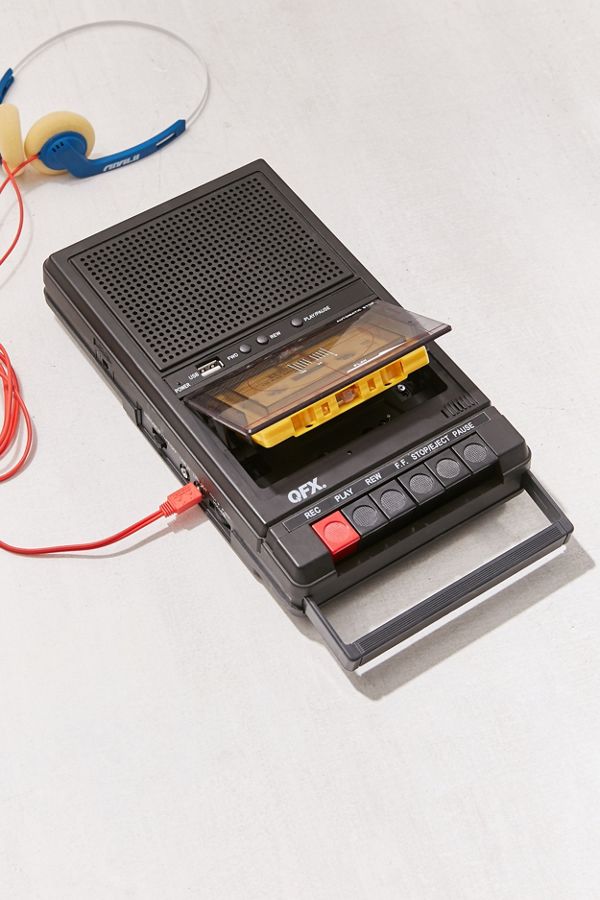


Traditional Broadcast Methods:
Down to the new uses of technology, radios impact on streams have completely altered from the starting out.
Impact of Technology in Broadcasting:
CDs (compact discs) CDs were made in the 80s and started replacing vinyls and tapes down to their quality in sound, being the new turn in the hi-fidelity for electronics sound. CD players are also a lot cheaper than record players and tape players and also a lot easter to use, bringing better value in the long run.
In terms of how radio has developed over years from new technology and electronics, radios will always have DJs (Disc Jockeys) these are the people that play the music for the listeners and control the sound through the shows/programmes while being broadcasted. DJs have a handful of jobs to do inside doing their actual job, such as arranging the setlist of the show, preparing the layout of the show and many more things, this made being a DJ in before the late 90s very hard and time consuming, ever since WAV files were created, this saves a lot of space, time and money for DJs during their shows, it also makes things more organised for DJs through being able to do the shows through a monitor and access everything simply through a screen and a mixing desk. Before this technology was invented, DJs had to do the shows using 8 Track tapes and Vinyls, these were physical copies of the music which took up a lot of space for DJs and also came with a heavy price tag, usually coming in at about £20 average for a record. If radio shows wanted to play advertisements when shows were recorded all the way through on tape, or cut parts out and add new parts in this was done by a technique called splicing, this is where someone would take the tape and cut it up and stick new parts in back together for the final show ready for broadcast.
Now in the 21st century the whole concept of live broadcasts and radio shows are ran completely different from when they started, everything being so much easier through the use of monitors for any sounds being used like talking, sfx and music, the way this is done is by using cartwall during the live shows.
A Microphone:

This is Lauren Laverne for BBC 6 Music, this microphone is used in studio for broadcasts as it is high quality audio as it needs a pre amp to run, they are also easy to move around as the stands can be stretched out and put in the perfect position. These mics have covers and protecters on them to stop sibilance and hard Ps during recording.
The Mixing Desk:

This is a mixing desk, usually found in recording studios and radio stations, this monitors any sound passing through and the producers/DJs will be in control of. This allows them to control the output gains when wanting to bring in microphones, music, sfx and jingles etc. This is also used to stop any clipping for the show, this means when the outputs are too loud and start to distort during the recording, this can't be undone when recorded.
Monitors:
These are very useful and commonly found in studios as they can measure the sounds coming in mono and stereo, this means they can perfectly balance out the input levels to the output levels for the cleanest sound quality. They are also used to measure the whole sound together, for example; the level of the jingle playing after the level of the talking, or how loud the background music is when the producers are talking.
A Digital Cartwall:
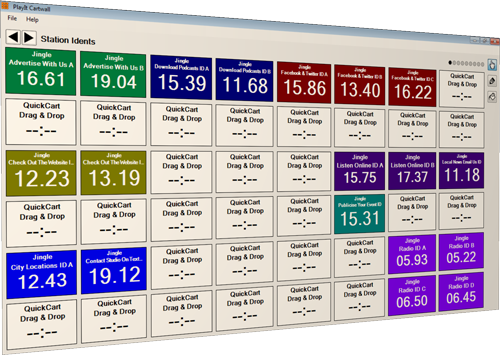
A digital cartwall is used by DJs during the shows and pre recordings, this is used to play jingles, advertisements and sfx. This being digital is useful for a DJ as he will have all his sounds ready to go in just a click, this also saves a lot of space and time.
A Play Server:
This is a type of software used by DJs, this is used to show the presenter and DJ what song is being played, what songs have just played and also what is up next, this is used and also helpful as it will keep the show running smoothly throughout. This also shows the duration of the songs so that they can see how long they have left until they have the next job to do, either being talking, playing a jingle or even going on to the next song. This is also used to store all the music the DJs could need, so that if a song is requested this is where they would look.
D.J. stands for Disc Jockey, a DJs job is to mix between songs, que up songs for the shows, play the content throughout, being music and jingles. They also have talks/interviews in segments out the shows programme. Problems brought along with being a DJ is that it is very time consuming and expensive, it takes a lot of work and preparation.
Down to the new uses of technology, radios impact on streams have completely altered from the starting out.
Impact of Technology in Broadcasting:
CDs (compact discs) CDs were made in the 80s and started replacing vinyls and tapes down to their quality in sound, being the new turn in the hi-fidelity for electronics sound. CD players are also a lot cheaper than record players and tape players and also a lot easter to use, bringing better value in the long run.
In terms of how radio has developed over years from new technology and electronics, radios will always have DJs (Disc Jockeys) these are the people that play the music for the listeners and control the sound through the shows/programmes while being broadcasted. DJs have a handful of jobs to do inside doing their actual job, such as arranging the setlist of the show, preparing the layout of the show and many more things, this made being a DJ in before the late 90s very hard and time consuming, ever since WAV files were created, this saves a lot of space, time and money for DJs during their shows, it also makes things more organised for DJs through being able to do the shows through a monitor and access everything simply through a screen and a mixing desk. Before this technology was invented, DJs had to do the shows using 8 Track tapes and Vinyls, these were physical copies of the music which took up a lot of space for DJs and also came with a heavy price tag, usually coming in at about £20 average for a record. If radio shows wanted to play advertisements when shows were recorded all the way through on tape, or cut parts out and add new parts in this was done by a technique called splicing, this is where someone would take the tape and cut it up and stick new parts in back together for the final show ready for broadcast.
Now in the 21st century the whole concept of live broadcasts and radio shows are ran completely different from when they started, everything being so much easier through the use of monitors for any sounds being used like talking, sfx and music, the way this is done is by using cartwall during the live shows.
A Microphone:
This is Lauren Laverne for BBC 6 Music, this microphone is used in studio for broadcasts as it is high quality audio as it needs a pre amp to run, they are also easy to move around as the stands can be stretched out and put in the perfect position. These mics have covers and protecters on them to stop sibilance and hard Ps during recording.
The Mixing Desk:
This is a mixing desk, usually found in recording studios and radio stations, this monitors any sound passing through and the producers/DJs will be in control of. This allows them to control the output gains when wanting to bring in microphones, music, sfx and jingles etc. This is also used to stop any clipping for the show, this means when the outputs are too loud and start to distort during the recording, this can't be undone when recorded.
Monitors:
These are very useful and commonly found in studios as they can measure the sounds coming in mono and stereo, this means they can perfectly balance out the input levels to the output levels for the cleanest sound quality. They are also used to measure the whole sound together, for example; the level of the jingle playing after the level of the talking, or how loud the background music is when the producers are talking.
A Digital Cartwall:
A digital cartwall is used by DJs during the shows and pre recordings, this is used to play jingles, advertisements and sfx. This being digital is useful for a DJ as he will have all his sounds ready to go in just a click, this also saves a lot of space and time.
A Play Server:
This is a type of software used by DJs, this is used to show the presenter and DJ what song is being played, what songs have just played and also what is up next, this is used and also helpful as it will keep the show running smoothly throughout. This also shows the duration of the songs so that they can see how long they have left until they have the next job to do, either being talking, playing a jingle or even going on to the next song. This is also used to store all the music the DJs could need, so that if a song is requested this is where they would look.
L02: Multiplatform distribution


Black Box Theory: This theory is a concept /theory of the media being accessed through a single black box, this will deliver gaming, television, emails, movies and web surfing. All to one or multiple screens or a single access point.
This links to technological convergence as we are seeing an increase of media that is accessible on multiple platoforms, this also links as listeners used to tune into radio shows through analogue equipment such as hardware radios as we can now listen on mobile phones anywhere we please to do so.
Tuesday, 21 January 2020
LO1 Task 2: Ownership of different types of radio stations (P2)
- Kerrang FM (Commercial)
Kerrang 105.2 , Kerrang is a brand initially it was a magazine published in 1981. they specialize in rock music and they broadcast in the west midlands (Birmingham) , they are a part of the Bauer Passion portfolio ( Bauer owns them , they are a part of a conglomerate). Bauer is a conglomerate is a company that creates magazines and they have a subsidiary called Bauer media ( that specialises in radio) who has a portfolio with passion which includes kerrang. Bauer media and box television have joint ownership so that kerrang can be shown on music channels.
You can access Kerrang on DAB and Freeview.
Target sample area: Birmingham, Coventry and Wolverhampton
The station launched on the 10th of June 2004
Platforms you can access kerrang on:
- FM radio
- internet (stream live)
- radio player
- apps
- Freeview
- DAB
Kate Lawler is one of the main presenters.
Reach: 374,000 average hours: 7.2
39% female audience 61% male listeners.
Target demographic age 15-35
2. Hallam FM (local, regional)
1:
1:
Hallam FM 97.4 is a commercial but local radio station based in Sheffield and it was launched in 1974. The target sample areas include Rotherham , Barnsley , Sheffield and Doncaster.
Hallam FM is a part of the Bauer Place portfolio because Bauer media does local radio as well.
Hallam presenters : Big john at breakfast , Becky Hayes etc.
Hallam's competitors include Capital FM , BBC radio 1 and Peak FM etc.
Reach 361,00 Average hours: 10
54% female and 46% male listeners
Target demographic age 25-45
They are a commercial station so they are funded through advertisements, they sponsor events such as the Meadowhall light switch on. They also do lots of competitions they also have sponsored stands at Sheffield Wednesday and Sheffield united.
3. Sheffield Live (community, Local)Hallam FM is a part of the Bauer Place portfolio because Bauer media does local radio as well.
Hallam presenters : Big john at breakfast , Becky Hayes etc.
Hallam's competitors include Capital FM , BBC radio 1 and Peak FM etc.
Reach 361,00 Average hours: 10
54% female and 46% male listeners
Target demographic age 25-45
They are a commercial station so they are funded through advertisements, they sponsor events such as the Meadowhall light switch on. They also do lots of competitions they also have sponsored stands at Sheffield Wednesday and Sheffield united.
Sheffield live is a local and a community radio station, it is a independent radio station meaning it is not owned by anyone. According to OFCOM (2011) " community radio station are small scale and not for profit. they are operated for the members of the public".
The company that operates Sheffield live is Commedia Sheffield Ltd , it is run by Sangita Basudev who is paid to run Sheffield live.The presenters of the show consist of local people and volunteers from the community.
Target sample area : central , Nether edge, Manor and any other burrows in and around Sheffield.
There is no specific Genre for Sheffield live because it has to be diverse because it is a local/community radio station.
Output is mainly broadcast in English , with some programming in other community languages , such as Hindi/Hindu.
- Broadcasting act (1990) and the Community Radio order (2004) stated that community radio services cannot gain more then 50% of running costs from one source advertising on-air sponsorship.
- Regulator Ofcom also makes available an amount of funding annually through its community radio fund.
4. NTS (Internet)
NTS is a online radio station and media platform based in Hackney (London) The station was created in April 2011 by Femi Adeyemi and producers a large and diverse range of music for the radio shows, NTS Radio show has a well known rag line of 'Don't Assume'. NTS is a talk/music show with artists all around the world, artists such as Mount Kimbie, King Krule, BEABADOOBEE etc, have has a segment on the show where they go in and play a live DJ set for the listeners to show what music they are listening to at that moment in time and then also go onto having a short talk or interview about themselves. NTS is accessible to listeners through the mobile app and the website, this is because they are online and not connected to DAB.
5. (Non-Profit) Leeds Student Radio
Leeds Student Radio is a radio show broadcasted between 11am and 5pm weekday and these shows are usually speech shows, the show is targeted to students to listen to when going about their day and providing entertaining content for them. The show can be anything from football to celebrity gossip while also always streaming upbeat music from exclusive playlists. This show is only accessible online through the THISISLSR website. The adverts on the show are discovered through the students and they explain "Our marketing team work hard to ensure that our sponsors are well promoted both on-air and online, producing high quality adverts and creative ad campaigns"
Leeds Student Radio is a radio show broadcasted between 11am and 5pm weekday and these shows are usually speech shows, the show is targeted to students to listen to when going about their day and providing entertaining content for them. The show can be anything from football to celebrity gossip while also always streaming upbeat music from exclusive playlists. This show is only accessible online through the THISISLSR website. The adverts on the show are discovered through the students and they explain "Our marketing team work hard to ensure that our sponsors are well promoted both on-air and online, producing high quality adverts and creative ad campaigns"
6. BBC 6 Music
BBC 6 Music is a public and well known radio show, with programmes such as interviews, talks and shows from artists streamed live for the listeners, this show specialises in alternative music. BBC 6 Music was first launch was 11th March 2002, they have segments to bring up and coming artists in to the studio to help them get started. This radio station is accessible through DAB Radio, the internet and digital television. This allows listeners to listen through the app or on there radio, however if the listeners favourite artists have a live segment in the show they can also tune in to the television broadcast to have a live viewing of them playing and being interviewed.
BBC 6 Music is a public and well known radio show, with programmes such as interviews, talks and shows from artists streamed live for the listeners, this show specialises in alternative music. BBC 6 Music was first launch was 11th March 2002, they have segments to bring up and coming artists in to the studio to help them get started. This radio station is accessible through DAB Radio, the internet and digital television. This allows listeners to listen through the app or on there radio, however if the listeners favourite artists have a live segment in the show they can also tune in to the television broadcast to have a live viewing of them playing and being interviewed.
Subscribe to:
Comments (Atom)